



Health experts have raised serious concerns over the rising prevalence of chronic kidney disease (CKD) in Ghana, revealing that an estimated four million Ghanaians are living with the condition, many without being aware of it. The figure represents about 13 percent of the country’s adult population, highlighting what specialists describe as a growing public health challenge.
Dr. Mensah Amoah, a Physician Specialist and Nephrology Fellow, explained in an interview that kidney disease in Ghana is often diagnosed at a very late stage. According to him, many patients only seek medical attention when the illness has progressed to Stage Five, where the kidneys have already failed. At that point, treatment options are limited to dialysis or kidney transplantation—procedures that remain extremely expensive and inaccessible to many people.
The specialist described chronic kidney disease as a “silent disease” because it often presents little or no symptoms during its early stages. As a result, many individuals assume they are healthy until the condition becomes severe and difficult to manage. Alarmingly, a significant number of patients affected fall within the 20 to 50 age group, the most economically productive segment of the population.
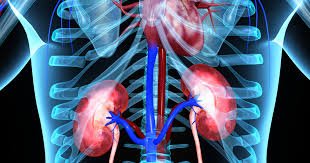
Dr. Amoah emphasized that early detection can significantly slow or even prevent the progression of kidney disease. Routine health checks, including urinalysis and kidney function tests, can help detect early warning signs such as blood or protein in the urine.
He also advised the public to adopt healthier lifestyles by reducing salt intake, maintaining balanced diets rich in vegetables, exercising regularly, and managing conditions such as hypertension and diabetes. Additionally, he warned against the excessive use of certain painkillers and unregulated herbal medicines, which may damage the kidneys over time.
Source: Ghana News Agency (GNA)